
Liquid Hazardous and Toxic Waste (B3) Treatment via Electrocoagulation
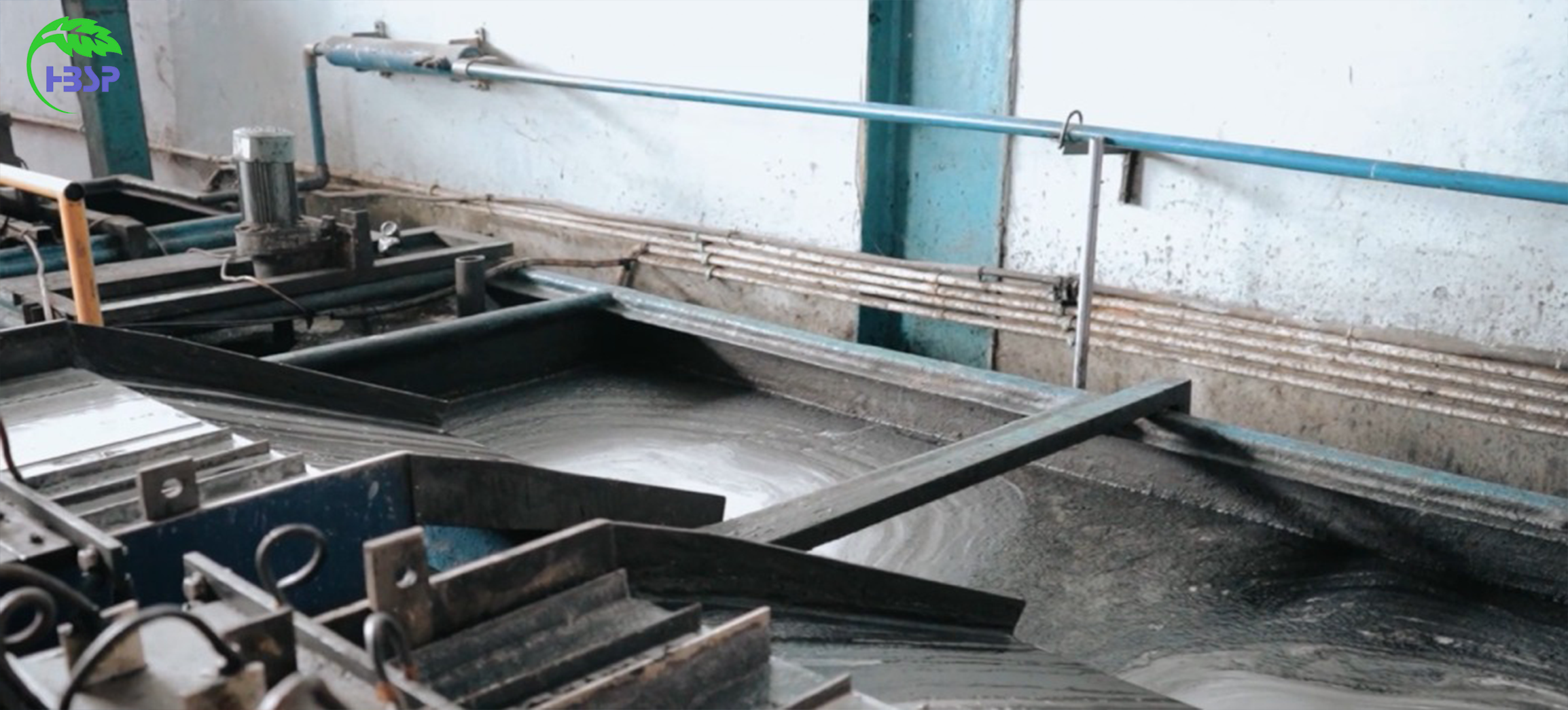
The treatment of liquid hazardous and toxic waste (B3) is carried out using the electrocoagulation method—a process that utilizes electric current and electrodes to generate coagulating agents *in situ*. This process aims to bind, aggregate, and separate contaminants present in the liquid waste.
In the initial stage, the liquid B3 waste is inspected and conditioned based on its specific characteristics and treatment parameters. Subsequently, the waste is fed into the electrocoagulation unit, where an electric current is passed through electrodes to generate ions that facilitate particle destabilization and floc formation. The aggregated contaminants are then separated through sedimentation or further separation processes, depending on the waste's characteristics.
The treated water undergoes inspection and testing to ensure its quality meets applicable standards. Meanwhile, the resulting sludge or residue is handled and managed in accordance with its characteristics and the regulations governing hazardous and toxic waste management.
Through the application of a controlled electrocoagulation method, the treatment process is expected to effectively reduce pollutant levels in the liquid waste, support responsible waste management, and minimize the risk of environmental pollution.
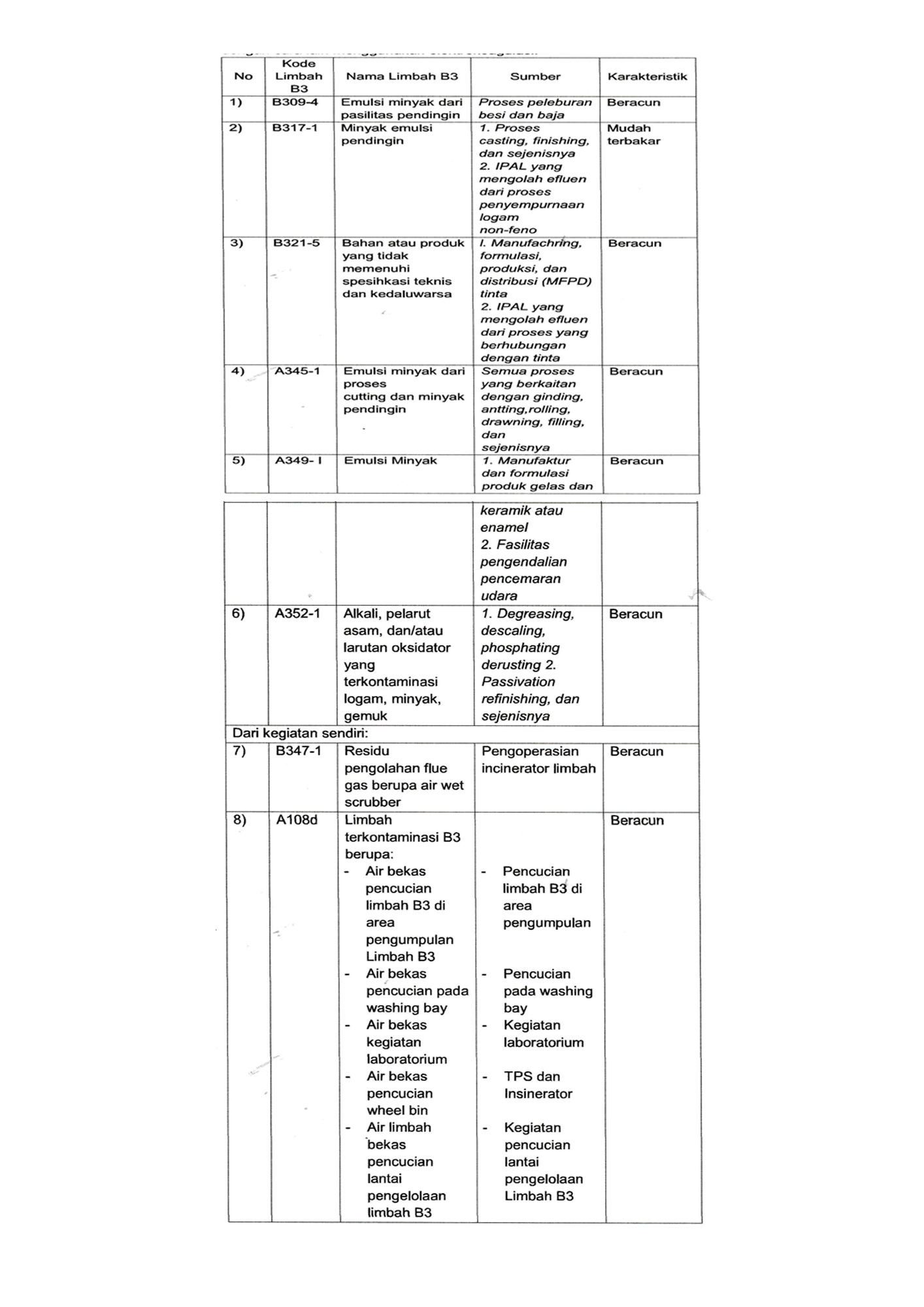
The following are the types and codes of waste treated via electrocoagulation: